When revision surgery is necessary
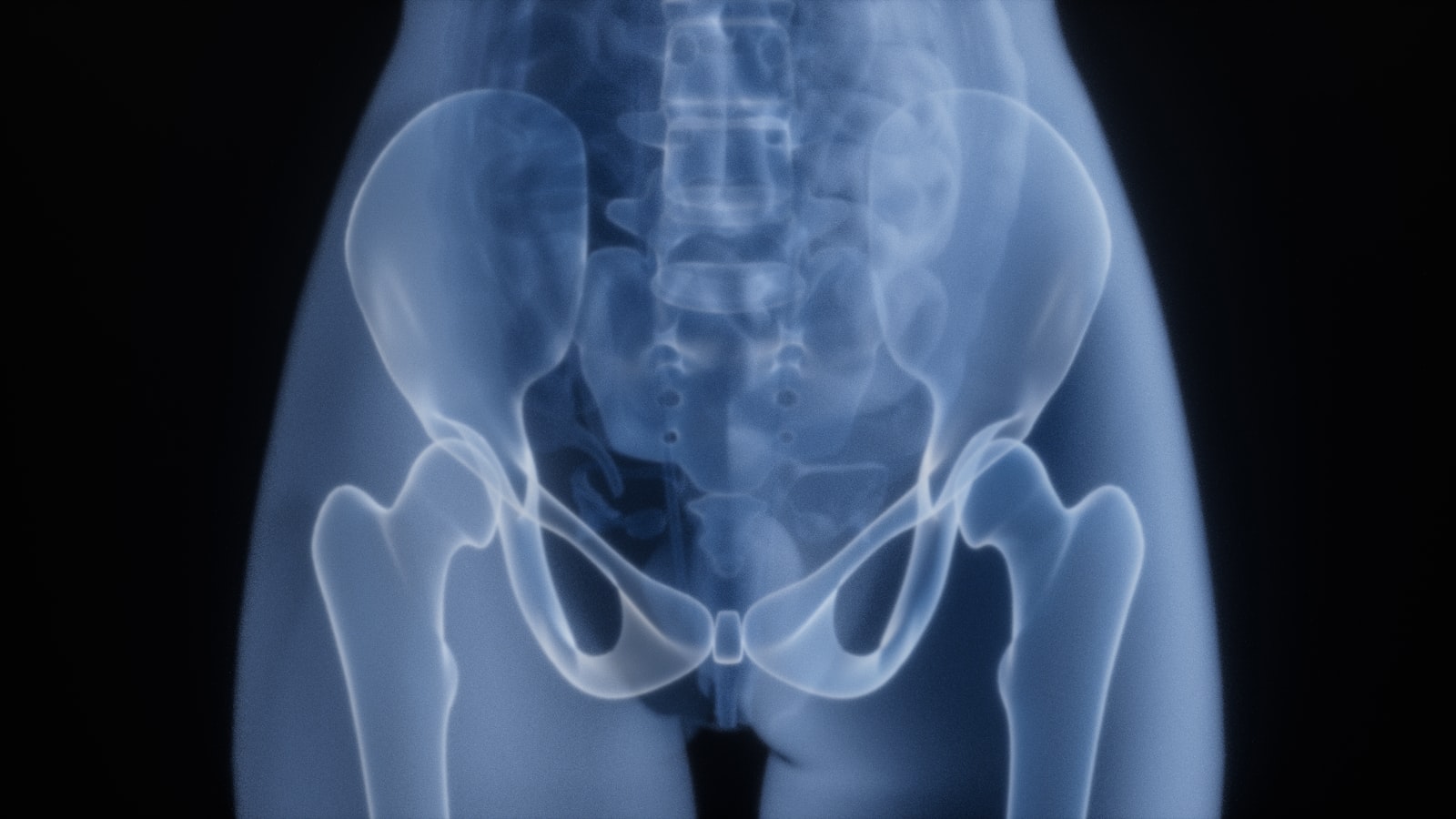
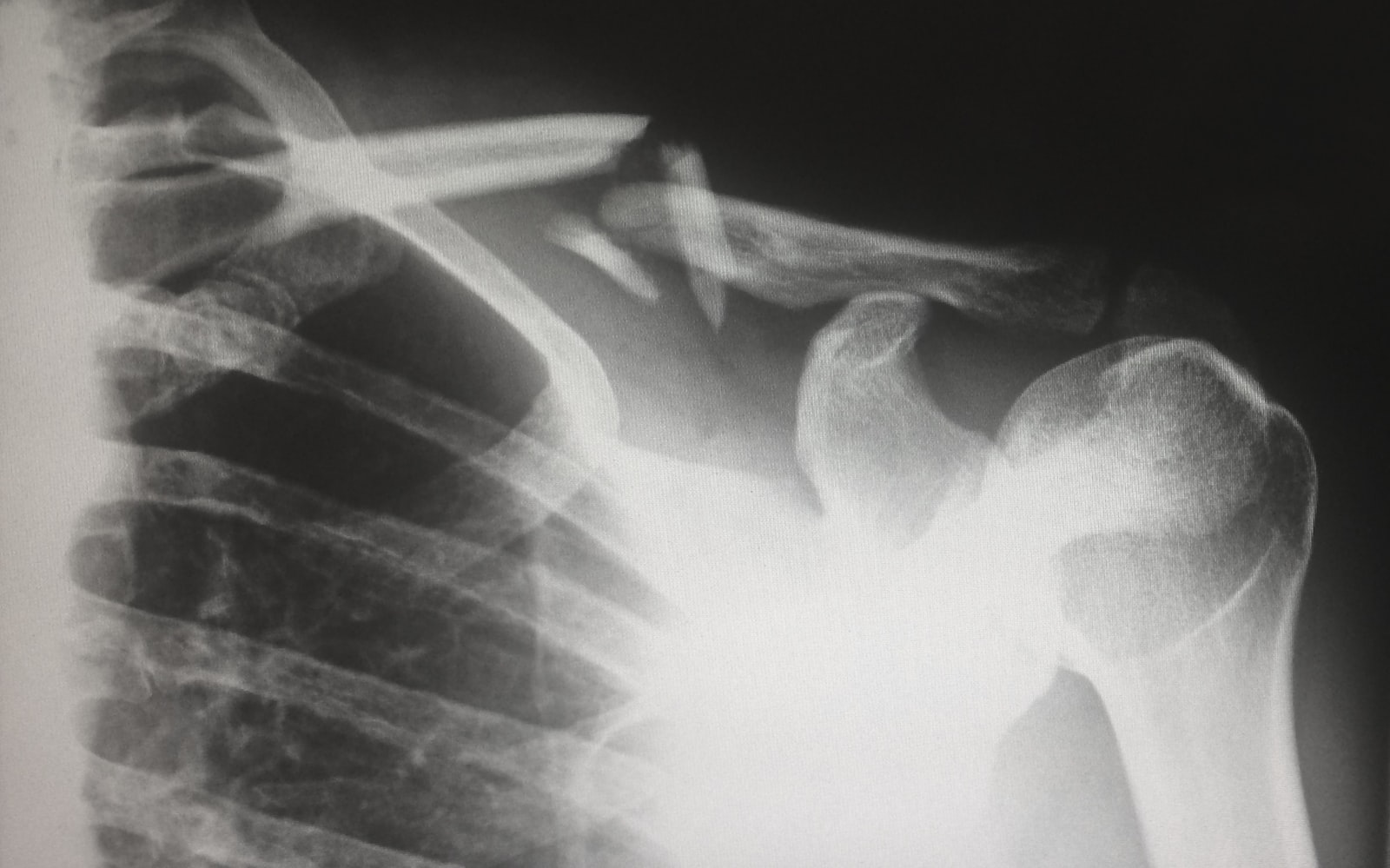
The diagnosis of prosthetic issues begins with a comprehensive medical history and clinical examination, supplemented by state-of-the-art imaging techniques such as X-rays, CT scans, or MRIs. These examinations help identify the exact cause of the complaints, whether it is loosening of the prosthesis, an infection, material wear, or malpositioning. Based on the results, an individualised treatment plan is developed that specifically addresses your needs and the particular problems of your prosthesis.
Revision surgery offers the opportunity to correct or replace defective or non-functional prostheses. This procedure is more complex than the initial implantation and requires specialised surgical expertise. The goal of revision surgery is to restore joint functionality, alleviate pain, and improve mobility. In some cases, the use of special prosthetic components may also be necessary to ensure the stability and longevity of the joint.
When revision surgery may be necessary:
- Persistent pain: Pain that no longer responds to conservative treatment.
- Prosthesis loosening: Bone-implant interface failure detected on imaging.
- Infection: Acute or chronic infection requiring debridement or replacement.
- Material wear: Polyethylene wear, metal-on-metal issues, fractured components.
- Malpositioning: Initial implant alignment leading to instability or accelerated wear.
- Periprosthetic fracture: Bone fracture around an existing implant.
Revision surgery offers the opportunity for a significant improvement in the quality of life for patients suffering from prosthetic issues. With the right treatment, pain can be reduced, mobility restored, and the lifespan of the prosthesis extended.