Book OnlineCall
SpecializationsKnee Replacement with Surgical Robot

Knee Replacement with Surgical Robot Jaipur – Origin Knee Method

Knee Replacement with Surgical Robot

Robot-assisted surgery for artificial joints in Jaipur.

Robot-assisted surgery has established itself as a pioneering technique in modern endoprosthetics, particularly in the use of knee joint replacements. This advanced technique — knee replacement with surgical robot — enables extremely precise alignment and positioning of the implant, which is individually tailored to the anatomy of each patient. The combination of state-of-the-art robot technology and surgical expertise ensures that the artificial joint is optimally seated, which improves functionality and extends the life of the prosthesis.

The advantages of robot-assisted surgery lie in the increased precision achieved through the support of the robot. This leads to minimised stress on the surrounding tissue, less postoperative pain and faster recovery. This innovative method offers a customised solution for patients who need a knee joint replacement and makes a significant contribution to improving the quality of life after the operation.

At HGS Orthopaedics Jaipur, Dr. Hargovind Singh combines this technology with the Origin Knee technique — reconstructing each patient's individual biomechanics for a natural knee feeling.

BOOK AN APPOINTMENT →

Facts:

Advantages of the Origin Knee technique with surgical robot

  • Anatomical reconstruction: Recreates the individual knee biomechanics as before osteoarthritis
  • Implant placement: Millimetre-precise via the CORI robotic platform
  • Post-op pain: Less postoperative pain due to tissue sparing
  • Mobilisation: Fastest possible mobilisation with better mobility
  • Knee feel: Natural — many patients forget they have an artificial joint
  • Imaging requirement: No prior CT or MRI needed — fully intraoperative
BOOK AN APPOINTMENT →

The Origin Knee technique with robotic assistance reconstructs your knee as it was before osteoarthritis — naturally and precisely.

How robot-assisted knee replacement works at HGS Orthopaedics Jaipur

In robot-assisted surgery, state-of-the-art robotic technology is used to measure the knee joint three-dimensionally during the operation. This enables extremely precise planning and placement of the prosthesis, which is perfectly adapted to the patient's individual anatomy. The robot assistant does not perform any steps independently — it supports the surgeon in implanting the prosthesis precisely and gently. This precision minimises the risk of complications and ensures optimal functionality of the new joint.

Advantages of knee replacement with surgical robot:

  • Highest precision: The robot assistant enables millimetre-precise placement of the prosthesis, which is optimally adapted to the individual anatomy.
  • Protection of the tissue: The precise planning and execution protects the surrounding tissue, which leads to less postoperative pain and faster recovery.
  • Longer durability of the prosthesis: The exact placement and alignment of the prosthesis help to extend the life of the implant and improve functionality.
  • Faster recovery: The minimally invasive procedure and the protection of the tissue enable a faster return to everyday activities.

This robot-assisted method ensures that each patient receives an individually adapted knee replacement that functions optimally and enables a high quality of life. The innovative technology at HGS Orthopaedics Jaipur sets new standards in joint surgery and offers patients the best possible care.
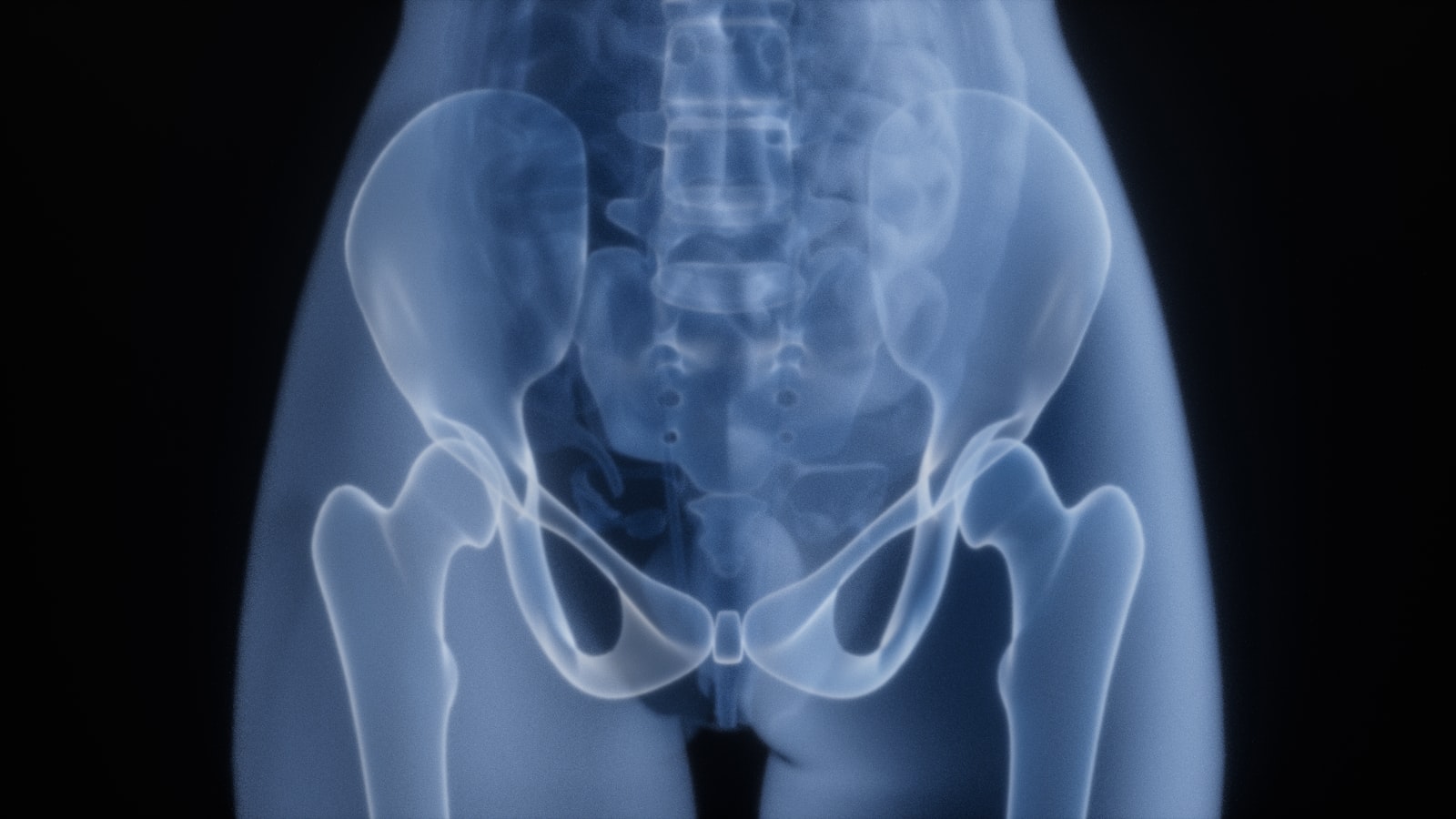
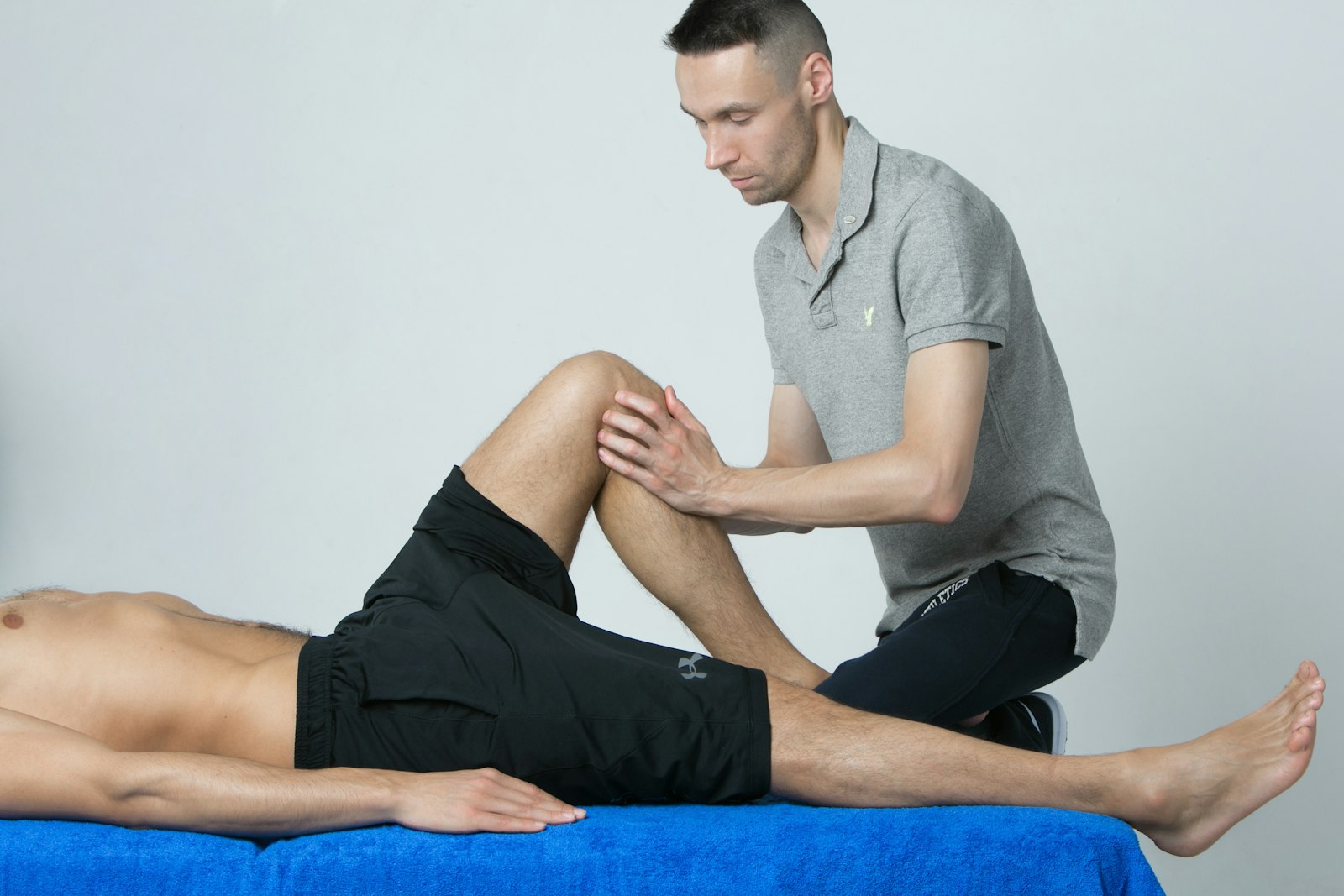
Achieving optimal results with state-of-the-art robotic technology – advanced surgery for artificial joints in Jaipur.

Frequently Asked Questions (FAQs) about Knee Replacement with Surgical Robot in Jaipur

The CORI system is a state-of-the-art, robot-assisted platform specifically developed for use in orthopaedic surgery. It is primarily used for knee joint prosthesis implantation and enables the surgeon to plan and place the prosthesis with the highest precision. The system uses a combination of advanced imaging techniques and real-time data processing to create a 3D view of the knee joint. This allows for individual adaptation of the prosthesis to the patient's specific anatomy.
Compared to other robot-assisted surgical systems, the CORI system is more compact and does not require prior CT or MRI imaging, which accelerates the planning process and reduces radiation exposure for the patient. The system operates with a handheld device that provides the surgeon with precise real-time instructions and supports the surgeon's movements to optimally position the prosthesis.
Higher precision in prosthesis placement leads to better function and longer durability of the prosthesis. Since the system supports minimally invasive techniques, there is less stress on the surrounding tissue, resulting in less post-operative pain and faster recovery. The risk of complications such as prosthesis loosening or malpositioning is also reduced.
Robot-assisted surgery with the CORI system is suitable for a variety of patients who require a knee joint prosthesis, especially in cases of advanced osteoarthritis or other degenerative joint diseases. A thorough examination and diagnosis by Dr. Hargovind Singh determines whether this method is the best choice for you.
Preparation begins with a thorough examination and planning. During the operation, the CORI system is used to analyse the patient's knee joint in real-time and create an exact 3D representation. Based on this data, the surgeon performs the procedure with the help of the robot-assisted handheld device, which enables precise cuts and optimal placement of the prosthesis.
As with any surgical procedure, risks include infections, blood clots, or complications related to prosthesis implantation. However, the CORI system is designed to minimise these risks by enabling extremely precise placement of the prosthesis and providing the surgeon with real-time feedback to avoid malpositioning.
Recovery time is generally shorter than with conventional surgical methods, as the minimally invasive technique spares the surrounding tissue. Most patients can begin light movements within a few days and return to their normal activities after a few weeks. Full recovery, including a return to sports activities, can take several months.
Generally, modern knee prostheses last 15 to 20 years or longer, depending on the patient's physical activity and the exact placement of the implant. Regular follow-up examinations at HGS Orthopaedics are important to monitor the condition of the prosthesis and maximise its lifespan.
The Origin Knee technique offers reduced postoperative pain and faster mobilisation. Thanks to the individual reconstruction of the knee anatomy, this technique allows for better mobility and a more natural feeling in the knee. Many patients report that after surgery, they often forget they even have an artificial knee joint.
This technique is ideal for patients seeking a knee replacement that is not only pain-relieving but also preserves the natural function and feel of their original knee. Through precise adaptation to individual anatomy, the method can also be advantageous for patients who have achieved less satisfactory results with conventional knee prostheses.

Further specializations of my practice

I am alwayshappy to be there for you.
Dr. Hargovind Singh
DR. HARGOVIND SINGH

Contact

Bombay Hospital, Trust, Sitapura Shri Kishanpura, Jaipur Rajasthan 302022
HGS