Book OnlineCall
SpecializationsCartilage Damage

Specialist for Cartilage Damage Jaipur — AutoCart™ Method

Cartilage Damage

Specialist for cartilage damage and cartilage regeneration in Jaipur — AutoCart™ method.

Cartilage damage in the knee joint can cause significant pain and restricted movement, severely impacting quality of life. They often arise from overuse, injuries, or age-related wear and tear. Early diagnosis and targeted treatment are crucial to prevent the progression of damage and restore joint function. The innovative AutoCart™ method offers a gentle and effective solution for treating cartilage damage in the knee.

The AutoCart™ technique is a minimally invasive surgical method aimed at rebuilding damaged cartilage structures in the knee. It uses the body's own tissue components and state-of-the-art technologies to specifically promote cartilage regeneration without resorting to autologous cartilage transplantation. This method offers the advantage of less stress on the surrounding tissue and faster healing. Through the targeted application of AutoCart™ technology, long-term improvement in knee joint function can be achieved, and many patients experience significant pain relief and a faster return to daily activities.

Should an operation be necessary, Dr. Hargovind Singh can admit you directly to Bombay Hospital, Sitapura, Jaipur. Regarding the costs involved, you will be advised personally and transparently.

BOOK AN APPOINTMENT →

Facts:

With the AutoCart™ method to pain-free knees — gentle, effective, and individually tailored

  • Gentle technique: Minimally invasive — less stress on surrounding tissue
  • Faster healing: Shorter rehabilitation and faster return to daily activities
  • Natural regeneration: Uses the body's own tissue components for cartilage reconstruction
  • Longer-lasting results: Improved knee function and long-term pain relief
  • Suitable for: Isolated cartilage damage where conservative care is insufficient
  • Diagnostic imaging: MRI and X-ray to precisely map the cartilage defect
BOOK AN APPOINTMENT →

Cartilage regeneration using state-of-the-art technology — the AutoCart™ method for rapid recovery and long-term knee health.

Diagnosis and treatment of cartilage damage in the knee

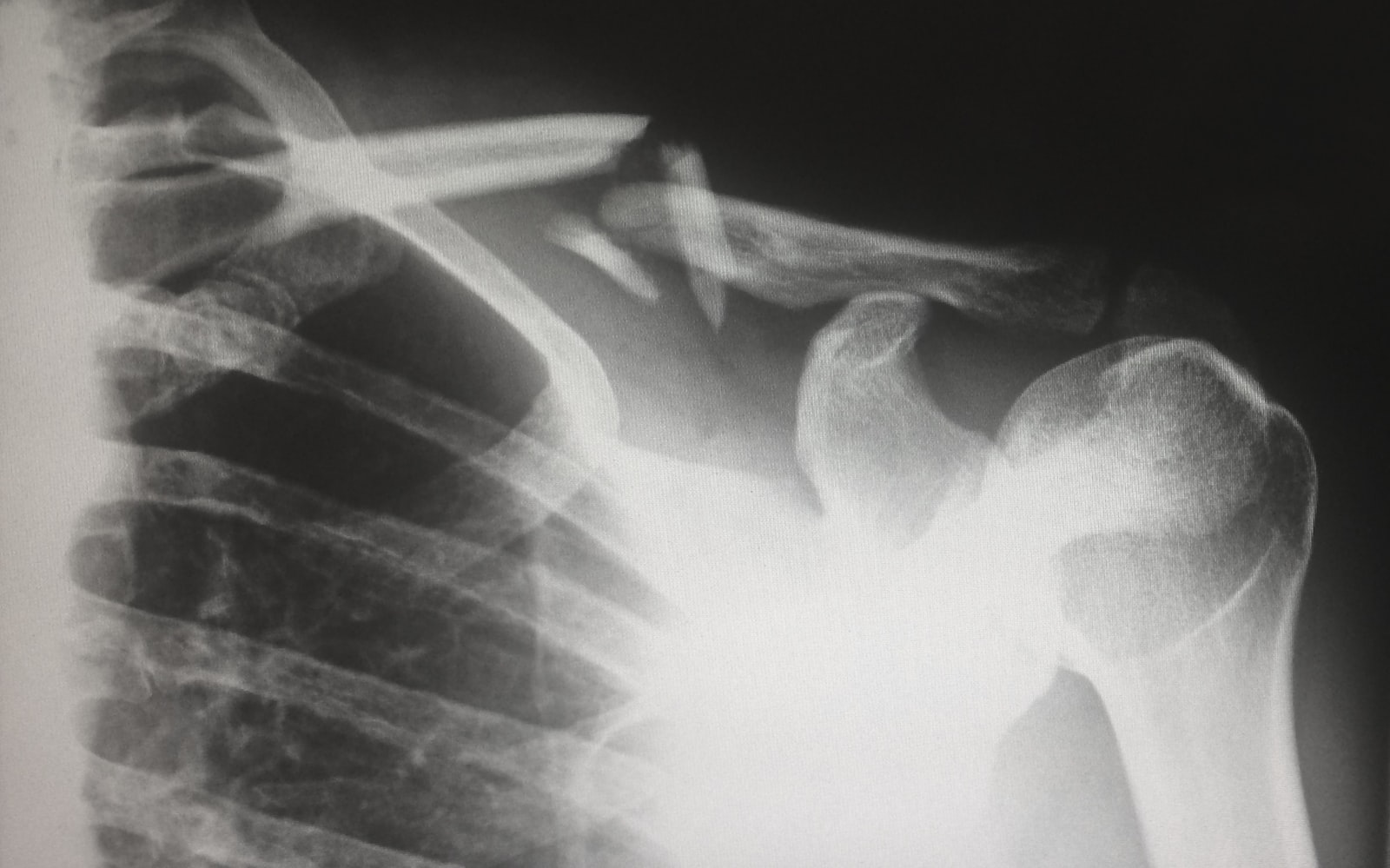
The diagnosis of cartilage damage in the knee begins with a thorough clinical examination and is supplemented by modern imaging techniques such as MRI and X-ray to determine the severity and exact location of the damage.

Cartilage damage often occurs due to overuse, injuries, or age-related wear and tear and can appear in various forms — from superficial cartilage tears to deep defects affecting the underlying bone.

Both conservative and surgical methods are available for the treatment of cartilage damage in the knee. Conservative treatments such as physiotherapy, anti-inflammatory medications, hyaluronic acid injections, and autologous blood treatment (ACP — Autologous Conditioned Plasma) aim to alleviate symptoms and stabilise the cartilage as much as possible. For advanced damage or insufficient success with conservative therapies, cartilage regeneration through surgical procedures is an option.

Why the AutoCart™ method is special:

  • Minimally invasive access: Performed arthroscopically through small portals.
  • Body's own tissue: Uses autologous components — no cartilage donor or transplant needed.
  • Stable defect filling: Combined with a biological matrix for durable regeneration.
  • Faster rehab: Less surgical trauma allows earlier physiotherapy.
  • Preserves the joint: Aims to delay or avoid the need for joint replacement.

A particularly innovative and gentle method for cartilage reconstruction is the AutoCart™ technique, developed specifically for cartilage damage in the knee. This minimally invasive method uses the body's own tissue components to specifically rebuild the damaged cartilage without resorting to autologous cartilage transplantation. The AutoCart™ method promotes natural cartilage regeneration and offers the advantage of less stress on the surrounding tissue.
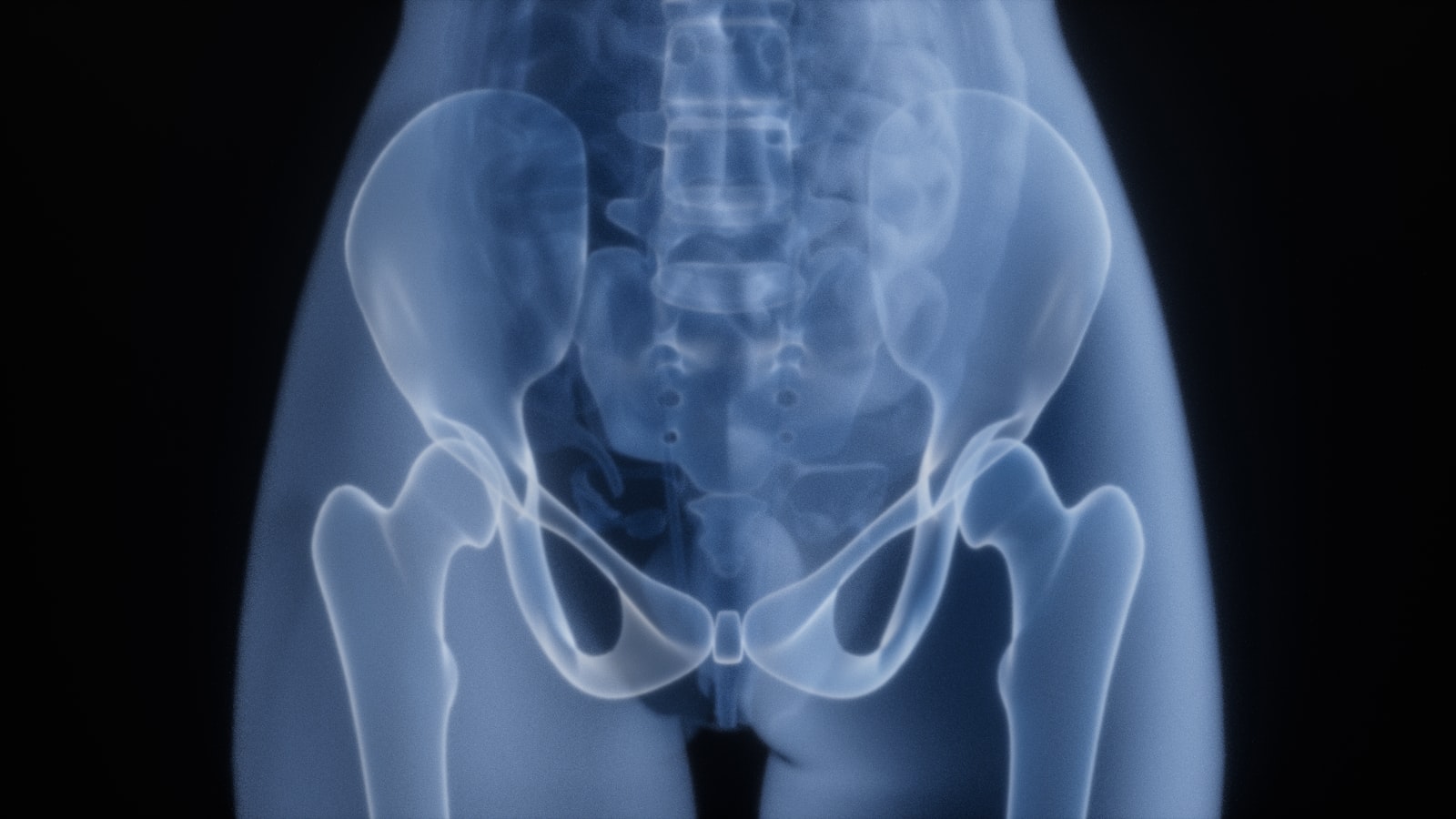
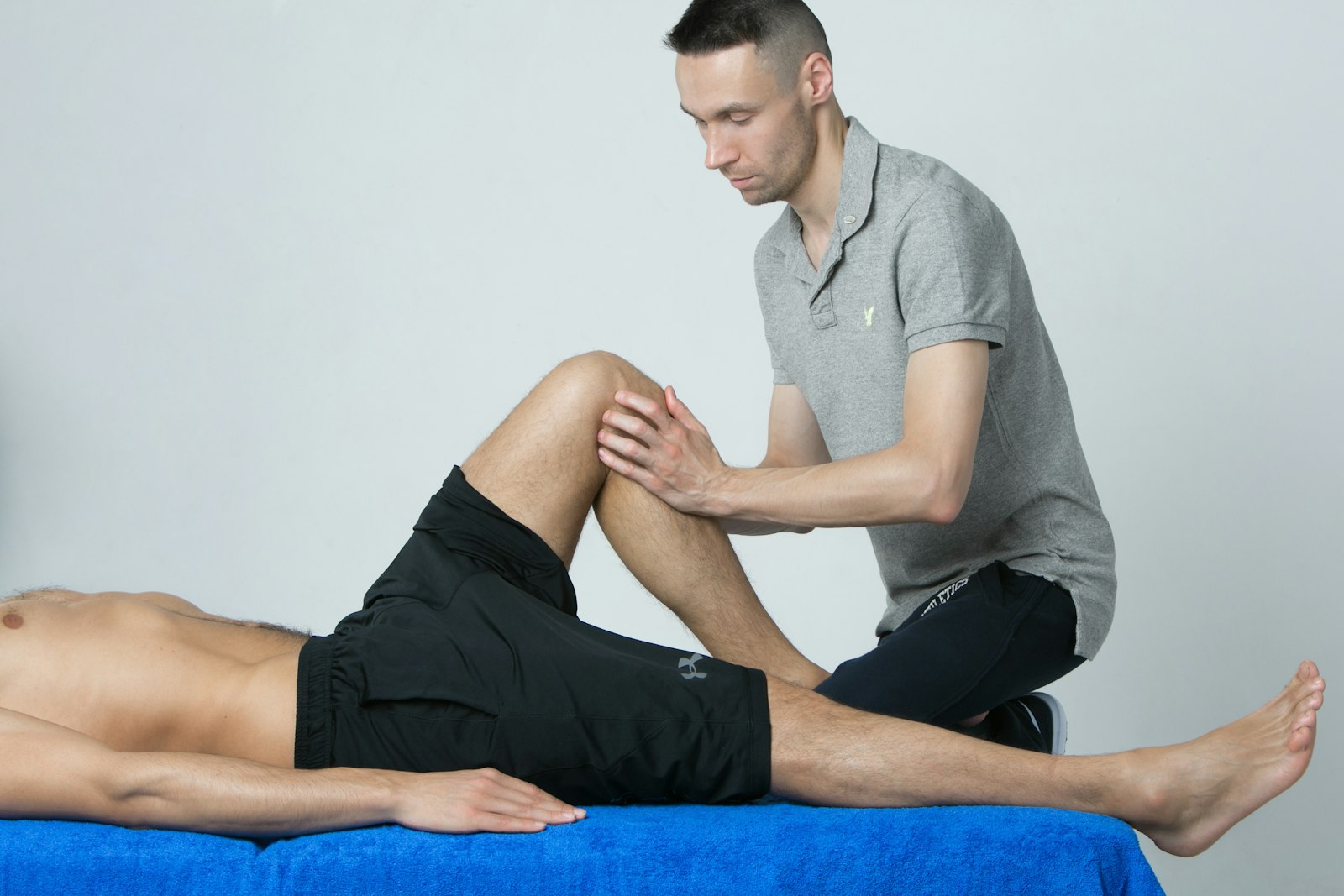
Regenerative knee surgery in Jaipur — AutoCart™ keeps the joint yours, while restoring what's been lost.

Frequently Asked Questions (FAQs) about Cartilage Damage in Jaipur

Cartilage damage in the knee occurs when the protective cartilage surrounding the joint is damaged. This can result from overuse, injuries such as meniscal tears, or age-related wear and tear. Cartilage has a limited ability to self-heal, meaning that damage can often lead to pain, swelling, and restricted mobility if left untreated.
There are various degrees of cartilage damage. Superficial tears affect only the outer cartilage layer, while deeper damage can reach the underlying bone. Common types include cartilage tears, fissures, and defects, which can result either from injuries or from degenerative changes like osteoarthritis.
Diagnosis begins with a clinical examination by Dr. Hargovind Singh, followed by imaging techniques such as MRI or X-ray. These techniques allow for precise identification of the severity of the damage and the affected areas to determine the appropriate therapy.
Conservative therapies include physiotherapy to improve mobility and strengthen muscles, anti-inflammatory medications to reduce pain, and hyaluronic acid injections to lubricate the joint. ACP autologous blood therapy is also an option. These approaches can alleviate symptoms and slow the progression of cartilage damage.
If conservative treatment methods do not provide sufficient improvement and the cartilage damage progresses, surgery may be necessary. This is particularly the case with larger cartilage defects that severely restrict mobility and cause pain that impairs the quality of life.
The AutoCart™ technique is particularly suitable for patients with isolated cartilage damage in the knee caused by injuries or degenerative changes. It is suitable for patients in whom conservative measures are not sufficient, but the damage is not yet severe enough to require a complete cartilage transplant. The procedure uses the body's own tissue components in combination with a biological matrix to regenerate cartilage.
Recovery is usually shorter than with other procedures, as the procedure is minimally invasive and puts less stress on the tissue. Many patients can start light activities after just a few weeks. However, full recovery, including a return to sporting activities, can take several months.
As with any surgery, risks include infections, blood clots, or problems with cartilage healing. However, risks are lower compared to other cartilage therapies because the body's own tissue is used and the procedure is minimally invasive. In most cases, recovery is uncomplicated and leads to a significant improvement in knee function.

Further specializations of my practice

I am alwayshappy to be there for you.
Dr. Hargovind Singh
DR. HARGOVIND SINGH

Contact

Bombay Hospital, Trust, Sitapura Shri Kishanpura, Jaipur Rajasthan 302022
HGS