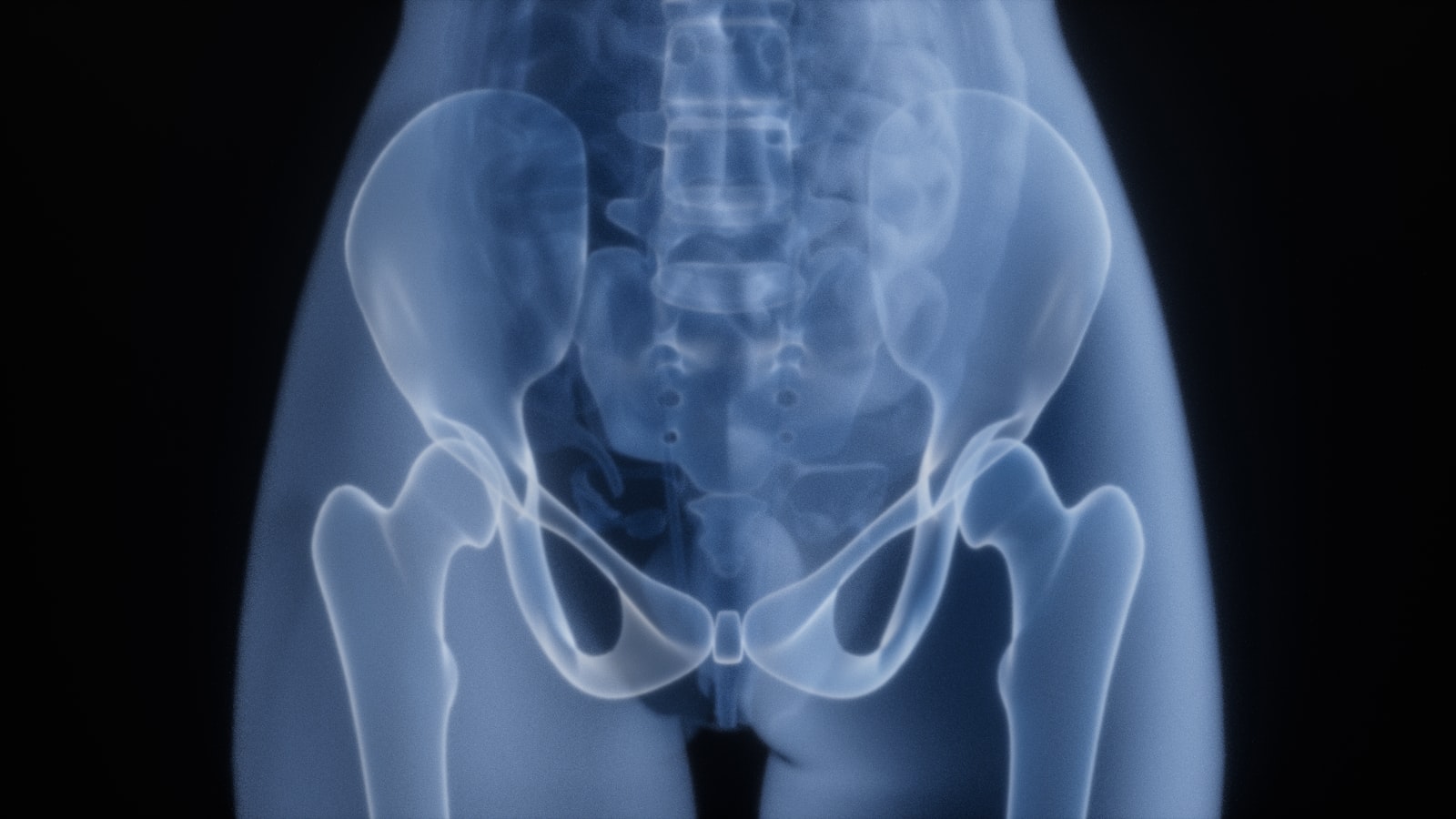
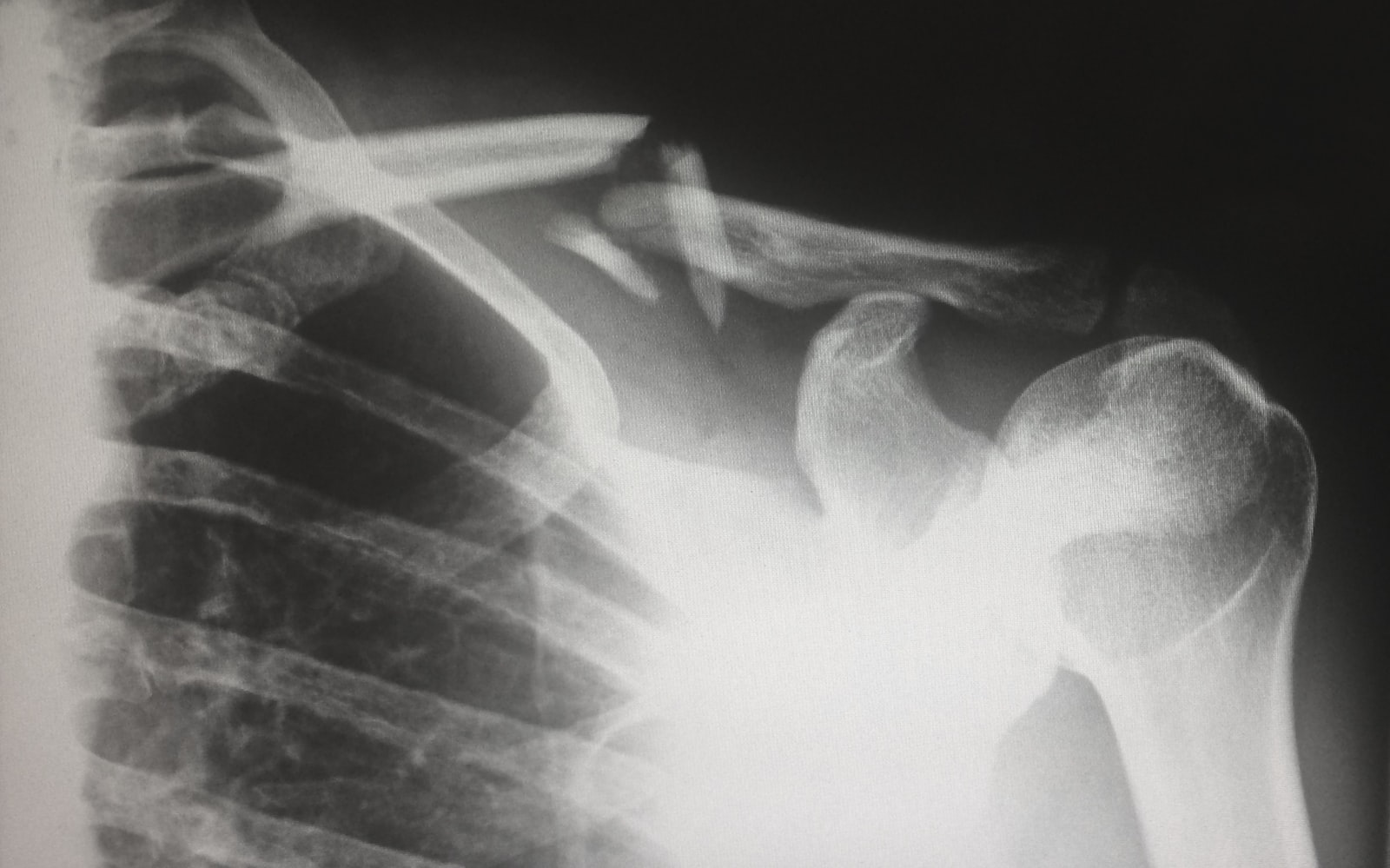
Diagnosis and treatment of bone fractures (fracture)
As an experienced trauma surgeon in Jaipur and a specialist in bone fractures, Dr. Hargovind Singh places great importance on accurate diagnosis and individualised therapy planning. The diagnosis begins with a comprehensive clinical examination and medical history, during which the accident sequence and symptoms are precisely recorded. To accurately locate and assess the fracture, state-of-the-art imaging techniques such as X-rays, computed tomography (CT), and magnetic resonance imaging (MRI) are used.
The treatment of bone fractures depends on the type, location, and severity of the fracture. For stable, non-displaced fractures, conservative therapy is often sufficient. This includes immobilisation with casts or splints to hold the bone in the correct position and promote natural healing. Physiotherapy supports the healing process and helps maintain mobility.
Types of bone fractures treated at HGS Orthopaedics:
- Simple fracture: A single break in the bone.
- Comminuted fracture: The bone is broken in multiple places.
- Open fracture: The broken bone breaks through the skin — surgical emergency.
- Closed fracture: The fracture remains under the skin.
- Transverse fracture: The fracture runs straight across the bone.
- Spiral fracture: The fracture spirals around the bone, often from twisting injury.
- Greenstick fracture: An incomplete fracture, common in children.
For more complex fractures, especially when the bone ends are displaced or broken into multiple fragments, surgical treatment is necessary. Using minimally invasive surgical techniques, Dr. Hargovind Singh implants devices such as screws, plates, or nails to stably fix the bones and ensure correct healing. These procedures minimise the risk of complications and shorten recovery time.