Diagnosis, treatment, and benefits of minimally invasive unicompartmental knee arthroplasty
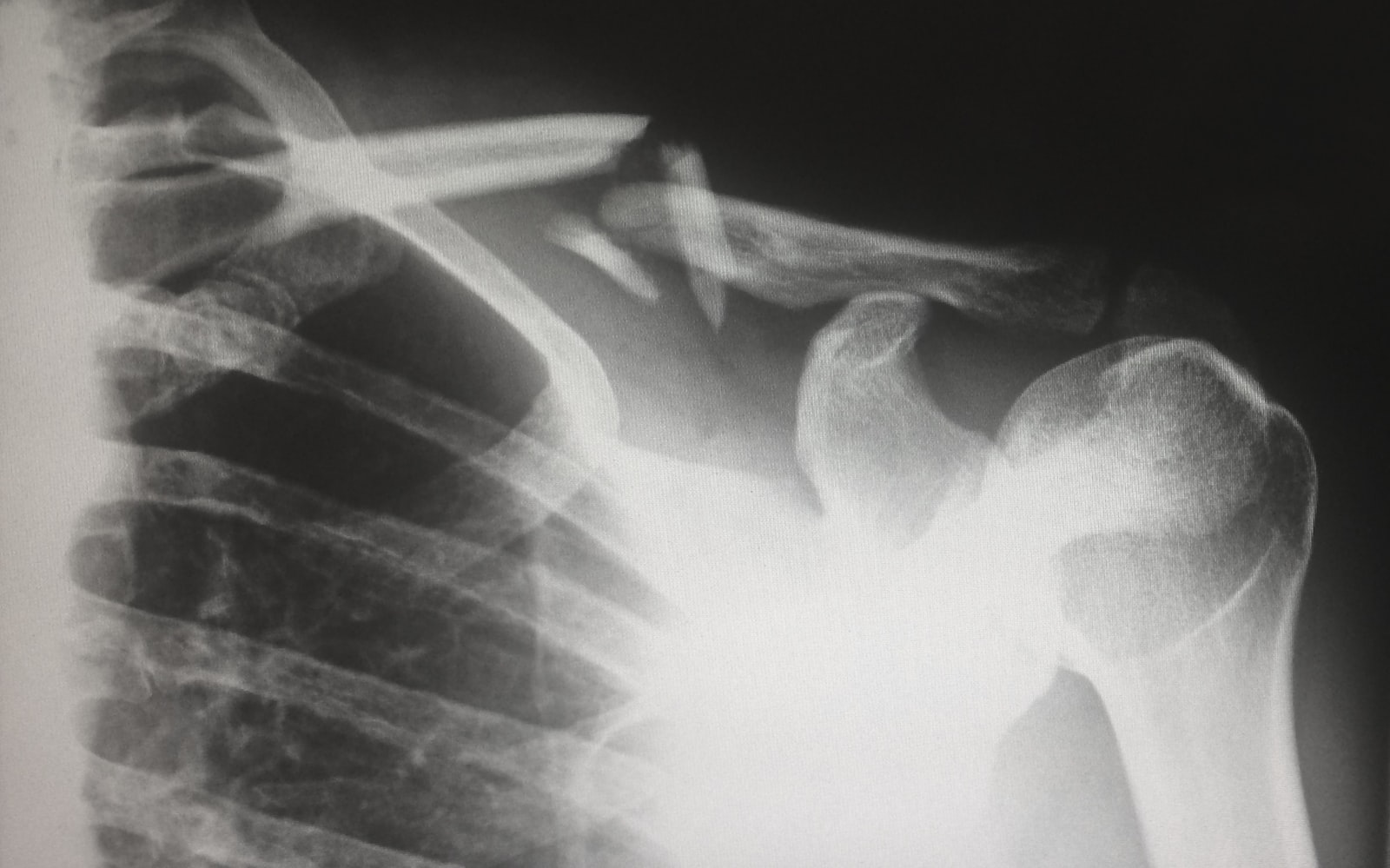
The diagnosis of knee osteoarthritis, particularly varus osteoarthritis, is made through a thorough clinical examination and the use of modern imaging techniques such as X-rays and MRI. These diagnostic methods help determine the degree and precise location of the osteoarthritis within the knee joint. For patients whose osteoarthritis is confined to a specific area of the knee, a minimally invasive unicompartmental knee arthroplasty can be the ideal solution.
A minimally invasive unicompartmental knee arthroplasty replaces only the affected part of the knee joint, thereby preserving the healthy joint area. This targeted approach reduces surgical trauma and enables faster recovery. The use of minimally invasive techniques ensures that surrounding tissues, especially muscles and tendons, are spared, leading to less postoperative pain and a quicker return to normal activities.
When unicompartmental replacement is the right choice:
- Isolated compartment wear: Damage is limited to one side of the knee.
- Intact cruciate ligaments: Both ACL and PCL must be functional.
- Stable knee alignment: Excessive deformity favours total replacement.
- Active lifestyle: Younger, more active patients benefit from preserved kinematics.
- Lower BMI: Reduces stress on the implant and extends lifespan.
The use of a unicompartmental knee arthroplasty is particularly advantageous for patients with varus osteoarthritis, as it stabilises the joint while preserving the knee's natural mobility. Furthermore, preserving the unaffected part of the joint can delay the need for a total knee replacement, thereby extending the joint's lifespan.