Book OnlineCall
SpecializationsMinimally Invasive Navigated Knee Replacement

Minimally Invasive Navigated Knee Replacement Jaipur

Minimally Invasive Navigated Knee Replacement

Your specialist for minimally invasive navigated knee replacements in Sitapura, Jaipur.

In modern endoprosthetics, total knee arthroplasties (knee TKA) are increasingly implanted using minimally invasive techniques to enable patients to recover as effectively as possible. By using a minimally invasive approach, such as the midvastus approach, important structures such as muscles and tendons are protected. This technique significantly minimises trauma to the knee joint and supports faster postoperative recovery.

Another central element of this surgery is high-precision computer navigation, which customises the implantation of the knee prosthesis precisely to the patient's individual anatomy. This computer-assisted navigation ensures optimal alignment and positioning of the prosthesis, which leads to improved functionality and a longer lifespan of the implant.

To further support the healing process, local infiltration anaesthesia is also used as part of a multimodal, perioperative pain therapy. This method contributes significantly to reducing postoperative pain, minimising the need for painkillers and accelerating mobilisation after the operation.

As an internationally recognised expert in endoprosthetics, Dr. Hargovind Singh performs minimally invasive navigated knee replacement implantation as standard, with particular emphasis on achieving the best results for patients.

BOOK AN APPOINTMENT →

Facts:

Key advantages of minimally invasive navigated knee replacement

  • Tissue protection: Muscles, tendons and nerves are pushed aside, not severed
  • Precision: Computer navigation ensures millimetre-precise placement
  • Postoperative pain: Reduced via multimodal local infiltration anaesthesia
  • Return to daily life: Minimally invasive technique enables faster return
  • Rehabilitation start: Within days of surgery, with structured physiotherapy
  • Implant lifespan: 15–20 years, supported by precise alignment
BOOK AN APPOINTMENT →

Precision navigation and tissue-sparing technique combine to deliver knee replacement results you can rely on.

Diagnosis and treatment – minimally invasive navigated knee replacement in Jaipur

As a specialist in minimally invasive knee replacements in Jaipur, Dr. Hargovind Singh begins with precise diagnosis to determine the optimal treatment approach for knee problems. The first diagnostic step involves detailed medical history and clinical examination, followed by state-of-the-art imaging techniques such as X-rays, MRI and CT scans. These technologies assess the exact knee joint condition and determine whether knee replacement is the best solution.

Gentle technique for optimal results:

Treatment begins with choosing a minimally invasive surgical approach. This technique reduces surgical trauma because muscles and tendons are spared, resulting in less postoperative pain and faster recovery. The navigated knee replacement offers the advantage of high-precision computer navigation implementation. This technology enables exact prosthesis adaptation to individual anatomy, optimising alignment and functionality of the new knee joint.

  • Computer-guided alignment: Real-time intraoperative measurements ensure millimetre accuracy.
  • Muscle-sparing access: The midvastus approach preserves quadriceps function.
  • Multimodal pain control: Local infiltration anaesthesia reduces opioid use after surgery.
  • Tailored to your anatomy: Each implant is positioned for your individual biomechanics.
  • Faster recovery: Most patients return to walking and daily life within weeks.
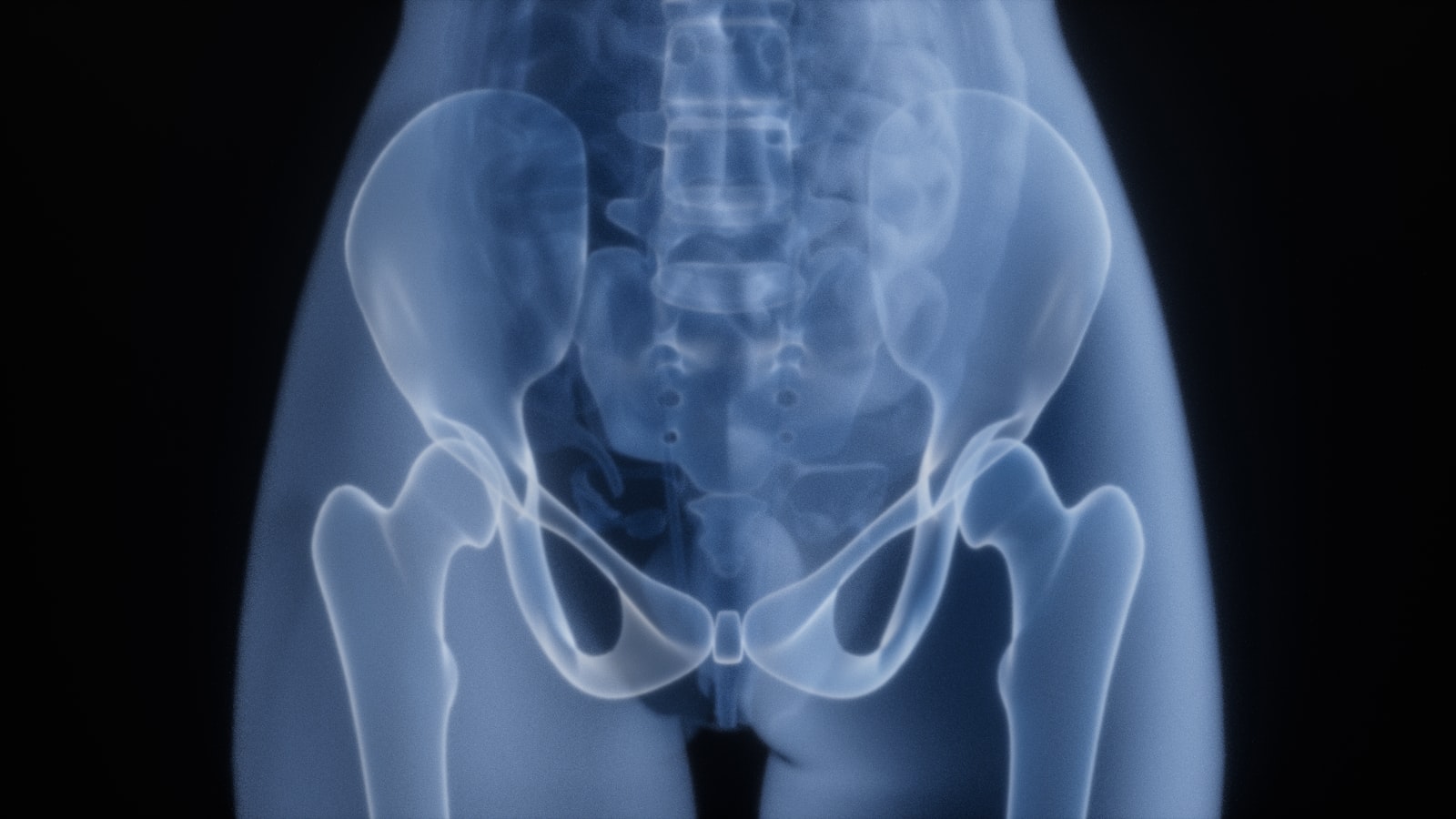
Computer-precise placement, tissue-sparing surgery — modern knee replacement in Jaipur the way it should be.

Frequently Asked Questions (FAQs) about Minimally Invasive Navigated Knee Replacement in Jaipur

A minimally invasive navigated knee replacement combines minimally invasive surgical technique and computer-assisted navigation to precisely adapt the prosthesis to patient anatomy. Smaller incisions protect muscles and surrounding tissue, leading to faster healing.
The greatest advantage is muscle, tendon and nerve protection during surgery, resulting in less postoperative pain and faster recovery. Navigation technology ensures millimetre-precise prosthesis placement, improving joint function and extending prosthesis life.
It is particularly suitable for patients with advanced knee osteoarthritis where conservative treatments are insufficient. Patients wanting faster recovery and precise prosthesis adaptation are suitable candidates. Thorough examination by Dr. Hargovind Singh determines suitability.
Healing time is typically faster than conventional procedures. Most patients begin rehabilitation within days to weeks and resume light activities after about 6–8 weeks. Full recovery, including return to sporting activities, takes several months.
High-precision computer technology monitors prosthesis alignment in real time, enabling exact placement optimally fitting patient anatomy. This precision leads to better joint function and longer prosthesis lifespan.
Risks include infections, blood clots, and possible prosthesis loosening. However, risks are generally lower with minimally invasive technique and precise navigation. All potential risks should be discussed before operation.
The healing process is supported by closely following rehabilitation plans, including regular physiotherapy, exercise, healthy diet and avoiding excessive strain. Specific instructions are individually tailored to optimise recovery.
Lifespan can be 15–20 years or longer, depending on patient physical activity, implant material used, and precise prosthesis placement. Regular follow-up examinations monitor the prosthesis and maximise lifespan.
Return timing depends on activity type. For sedentary work, return is often possible after weeks. For physically demanding jobs, approximately 3–6 months recovery time should be planned. Optimal return timing is determined in consultation, based on individual healing.
Generally recommended to wait 4–6 weeks before driving. The patient must bend the knee pain-free and react quickly to brake and accelerator pedals.

Further specializations of my practice

I am alwayshappy to be there for you.
Dr. Hargovind Singh
DR. HARGOVIND SINGH

Contact

Bombay Hospital, Trust, Sitapura Shri Kishanpura, Jaipur Rajasthan 302022
HGS