Modern Hip Replacement: What Has Changed and What to Expect
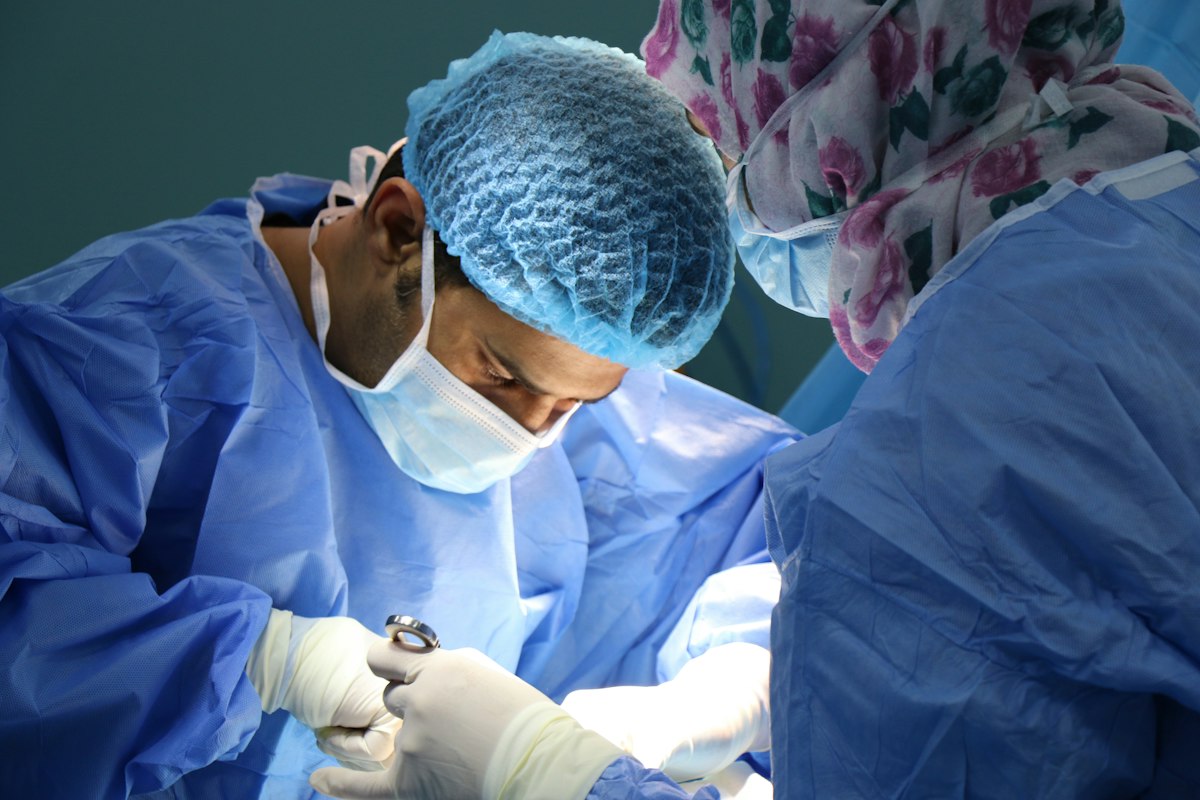
How Hip Replacement Has Changed
Ten years ago, a patient undergoing hip replacement would typically spend 7–10 days in hospital, require a zimmer frame for weeks, and face restrictions on bending and crossing their legs for three months. Today, that same patient at Bombay Hospital, Jaipur walks with Dr. Hargovind Singh's team on the day of surgery, goes home after 2–3 days, and faces far fewer restrictions — often none at all with anterior approach surgery.
This transformation has been driven by three parallel advances: minimally invasive surgical technique, computer-navigated implant positioning, and evidence-based enhanced recovery protocols.
Minimally Invasive Technique: Why It Matters
Traditional hip replacement required cutting through or detaching several large muscles to access the joint. Modern minimally invasive approaches work between muscles rather than through them — preserving tissue, reducing blood loss, and dramatically accelerating recovery.
The anterior (front) approach, used by Dr. Singh for appropriate patients, accesses the hip from the front of the leg in a natural interval between muscles. This approach allows patients to bear full weight immediately and eliminates the traditional posterior dislocation precautions — no more avoiding bending past 90 degrees or crossing your legs.
Computer Navigation: Precision That Lasts Decades
The longevity of a hip replacement depends critically on how precisely the components are positioned. An implant placed even a few degrees outside the optimal zone wears faster, increases dislocation risk, and fails sooner.
Computer navigation allows Dr. Hargovind Singh to plan implant positioning before surgery and verify accuracy during the procedure in real time — achieving placements accurate to within 0.5mm. This precision translates directly to longer-lasting results: modern hip replacements last 20–25 years in most patients.
The Surgery Day Experience
Patients arrive at Bombay Hospital on the morning of surgery. The procedure takes 60–90 minutes under spinal or general anaesthesia. Within 2–4 hours of surgery, the physiotherapy team helps you stand and take your first steps with a walking frame. Most patients are surprised at how manageable this is.
Going Home and the Weeks Ahead
Discharge typically occurs 2–3 days after surgery. At home, a structured exercise programme continues the recovery.
- Week 1–2: Walking with a frame or crutches, stairs with assistance, personal care with adaptations
- Week 3–6: Progressing to a single crutch then none, driving (left hip at 3–4 weeks, right hip at 6 weeks)
- Months 2–3: Swimming, cycling, light golf, most daily activities without restriction
- Months 3–6: Return to recreational sport, travel, full activity
How Long Will It Last?
With modern implants and accurate surgical technique, over 95% of hip replacements are functioning well at 10 years and over 80% at 20 years. The main factors affecting longevity are body weight, activity level, and implant positioning — all carefully considered in Dr. Singh's pre-operative planning.
How to Prepare for Joint Replacement Surgery
Good preparation before joint replacement surgery can significantly improve your outcome. Here's everything you need to know before your procedure.
Read →Why Early Diagnosis Matters in Orthopaedic Conditions
Delaying diagnosis of orthopaedic conditions can lead to accelerated joint damage and reduced treatment options. Find out why acting early makes a real difference.
Read →
Why You Should Always Get a Second Opinion Before Orthopaedic Surgery
Getting a second opinion before elective orthopaedic surgery is not an insult to your surgeon — it is a sign of an informed patient making one of the most important healthcare decisions of their life.
Read →